
bullet proof glass price
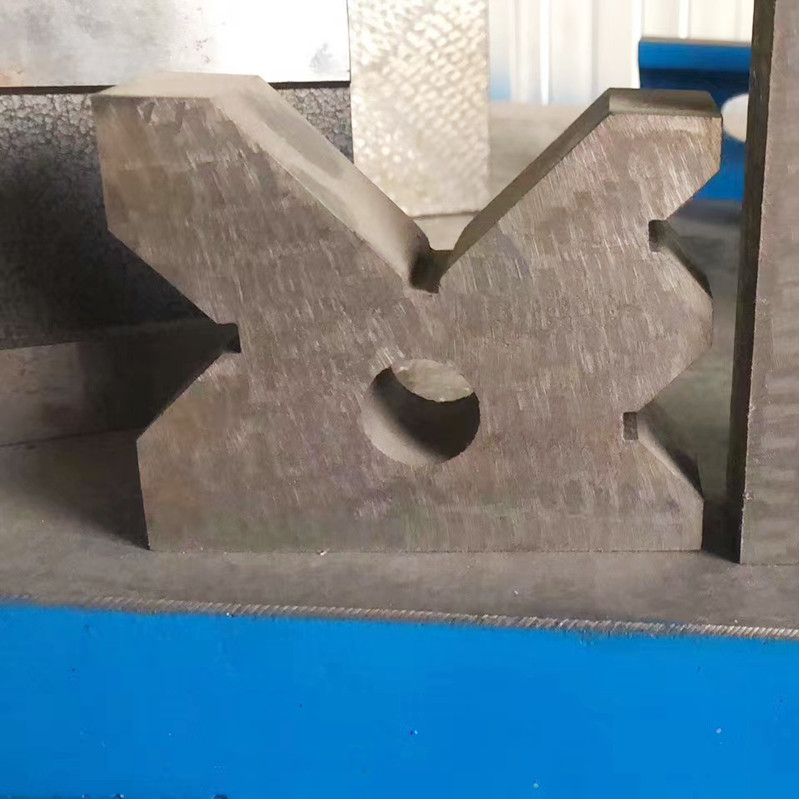
In precision manufacturing and metrology, surface plates serve as the foundational reference for accurate measurements, inspections, and part alignments. Proper maintenance is critical to ensure their longevity, accuracy, and reliability. Neglecting care can lead to costly recalibrations, reduced productivity, or even premature replacement. This article outlines best practices for maintaining surface plates , focusing on surface plate calibration , granite surface plate care, and inspection surface plate protocols. By adhering to these guidelines, manufacturers can maximize the lifespan of their equipment while sustaining high precision standards. Understanding the Fundamentals of Surface Plate Care A surface plate is a flat, stable platform used as a reference plane for precise measurements. Its accuracy depends on maintaining its flatness, cleanliness, and structural integrity. Here are core practices to ensure longevity: Daily Cleaning: Dust, debris, and oils are enemies of precision. Use a soft brush or lint-free cloth to remove loose particles. For stubborn residues, apply a mild detergent diluted in water, followed by thorough drying. Avoid abrasive cleaners or solvents that could degrade the surface. Controlled Environment:Store surface plates in temperature-stable environments (ideally 20°C ±1°C). Granite and metal expand or contract with temperature fluctuations, altering flatness. Humidity should also be regulated to prevent corrosion on metal plates or moisture absorption in granite. Load Distribution: Never exceed the weight limit specified by the manufacturer. Distribute loads evenly to avoid localized stress. Concentrated pressure can cause permanent deformation, especially on granite surfaces. Protective Covers: When not in use, cover the plate with a fitted lid or breathable fabric to prevent dust accumulation and accidental impacts. Regular inspections for scratches, dings, or wear patterns are essential. Early detection of damage allows for timely corrective actions. The Role of Surface Plate Calibration in Sustained Accuracy Surface plate calibration is the backbone of maintaining measurement integrity. Even minor deviations in flatness can lead to significant errors in downstream processes. Best practices include: Scheduled Calibration: Establish a calibration schedule based on usage intensity. High-traffic plates may require quarterly checks, while lightly used ones can be calibrated annually. Always adhere to ISO 8512-3 or ANSI/ASME B89.3.7 standards. Qualified Technicians: Only trained professionals should perform surface plate calibration . They use precision tools like autocollimators or electronic levels to map flatness and identify high/low spots. Documentation: Maintain records of calibration dates, results, and corrective actions. This data helps track wear trends and justify recalibration intervals. Post-Calibration Care: After calibration, avoid abrupt temperature changes or heavy loading for 24 hours to let the plate stabilize. For granite surface plates , calibration often involves lapping to restore flatness. Metal plates may require machining or scraping. Always consult the manufacturer for recommended post-calibration protocols. Optimizing Granite Surface Plate Performance Granite surface plates are prized for their stability, non-conductivity, and resistance to corrosion. However, granite’s porous nature demands specialized care: Sealing the Surface: Apply a penetrating sealer annually to fill microscopic pores. This prevents oil, coolant, or moisture infiltration, which can cause staining or dimensional instability. Avoid Direct Impact: Granite is brittle. Dropping tools or parts on the plate can chip edges or create pits. Use rubber mats or padded fixtures when handling heavy components. pH-Neutral Cleaners: Granite reacts to acidic or alkaline substances. Use pH-balanced cleaners to avoid etching the surface. Storage Position: Store granite plates horizontally on three support points (to prevent warping) and never stack them. Regularly check for “ringing” – a hollow sound when tapped indicates delamination or internal cracks. Address such issues immediately to prevent catastrophic failure. Implementing Inspection Surface Plate Protocols An inspection surface plate is subjected to rigorous daily use, making proactive maintenance non-negotiable. Key protocols include: Pre-Use Checks: Inspect the plate for debris or damage before each use. Verify that calibration stickers are current. Tool Hygiene: Ensure measuring instruments (e.g., height gauges, dial indicators) are clean and calibrated. Contaminated tools can scratch the plate or transfer residues. Workflow Zoning: Designate specific areas of the plate for different tasks. For example, reserve one quadrant for heavy part alignment and another for delicate inspections. This minimizes cross-contamination and wear concentration. Post-Use Decontamination: After inspections, wipe the plate with a static-dissipative cloth to remove metal shavings or grinding dust. For facilities using multiple inspection surface plates , implement a rotation system to distribute wear evenly across units. FAQs About Surface Plate Maintenance How often should a granite surface plate be recalibrated? Recalibration frequency depends on usage and environment. High-precision labs may recalibrate every 6 months, while industrial settings might opt for annual cycles. Always follow the manufacturer’s guidelines and track flatness trends from past surface plate calibration reports. Can a damaged surface plate be repaired? Minor scratches on a surface plate can often be lapped out by professionals. However, deep cracks or warping may necessitate replacement. Granite surface plates are particularly challenging to repair once delamination occurs. What cleaning agents are safe for an inspection surface plate? Use isopropyl alcohol or pH-neutral detergents for routine cleaning. Avoid acetone, ammonia, or vinegar-based solutions, which can degrade granite surface plates or leave residues on metal ones. Why is temperature control critical for surface plate calibration? Temperature fluctuations cause thermal expansion/contraction, altering the plate’s dimensions. Surface plate calibration performed in unstable conditions will yield inaccurate results, compromising measurement integrity. How do I identify wear on an inspection surface plate? Conduct a visual inspection for scratches, discoloration, or pitting. Use a straightedge and feeler gauge to check flatness. Persistent inaccuracies during measurements also indicate wear, necessitating immediate surface plate calibration . Proper maintenance of surface plates is an investment in precision and productivity. By integrating daily cleaning, disciplined surface plate calibration , tailored care for granite surface plates , and rigorous inspection surface plate protocols, manufacturers can extend equipment lifespan and uphold stringent quality standards. Adhering to these best practices ensures that these critical tools remain reliable partners in achieving operational excellence.
about
bullet proof glass price
Exploring the Landscape of Butterfly Valve Manufacturers in China Butterfly valves play a crucial role in various industrial applications, primarily due to their simplicity, reliability, and cost-effectiveness. In the global market, China has emerged as a leading manufacturer of butterfly valves, exporting to numerous countries while catering to the diverse needs of different industries. This article delves into the key aspects of butterfly valve manufacturing in China, highlighting what makes these products stand out on a global scale. Understanding Butterfly Valves A butterfly valve is a type of quarter-turn valve that uses a disc to regulate the flow of fluids. The mechanism is relatively simple when the valve is opened, the disc rotates to allow fluid to pass. Conversely, when closed, the disc blocks the flow. These valves are highly versatile and find applications in water supply systems, wastewater treatment plants, food and beverage production, chemical processing, and HVAC systems, among others. The Manufacturing Landscape in China The butterfly valve manufacturing industry in China has seen tremendous growth over the past few decades, driven by advancements in technology, a robust supply chain, and a skilled workforce. Chinese manufacturers leverage modern techniques, such as computer-aided design (CAD) and automated production lines, to produce high-quality valves that meet international standards. Moreover, China's ability to source raw materials at competitive prices allows manufacturers to keep production costs low, making their products more appealing in the global market . The integration of advanced technologies has not only enhanced the quality of butterfly valves but has also improved production efficiency, allowing manufacturers to meet rising demand. Advantages of Chinese Manufactured Butterfly Valves 1. Cost-Effectiveness One of the primary advantages of butterfly valves produced in China is their affordability. Manufacturers can offer competitive pricing without compromising on quality, making it an attractive option for companies looking to optimize their budgets. butterfly valve china manufacturer 2. Diverse Range of Products Chinese manufacturers provide a wide variety of butterfly valves, including resilient seated, double eccentric, and triple eccentric designs. This variety ensures that customers can find a valve that perfectly meets the specifications of their projects. 3. Customization Options Many Chinese companies offer customization services, allowing clients to order valves tailored to their specific requirements, such as size, material, and pressure ratings. This flexibility is crucial in industries where unique conditions need to be addressed. 4. Quality Assurance Despite misconceptions about the quality of products manufactured in China, many of its butterfly valve manufacturers adhere to stringent quality control measures. This includes compliance with international standards such as ISO 9001, API 609, and others, ensuring that their products are reliable and durable. 5. Strong Supply Chain China's well-established supply chain allows manufacturers to respond quickly to market demands. The ability to streamline logistics and deliver products promptly is a significant advantage for companies relying on timely project completion. Conclusion As industries around the world continue to evolve, the demand for efficient flow control solutions like butterfly valves is on the rise. Chinese manufacturers have positioned themselves as key players in this market, offering a combination of affordability, diversity, and quality. For businesses seeking reliable butterfly valves, partnering with a reputable Chinese manufacturer can provide the necessary support needed to thrive in competitive environments. By understanding the landscape of butterfly valve production in China, industries can make informed choices that align with their operational needs, ultimately enhancing their productivity and efficiency. In summary, the butterfly valve manufacturing sector in China stands as a testament to the country's industrial capabilities, offering innovative solutions that cater to a global marketplace. As this industry continues to develop, we can expect further advancements that will shape the future of flow control technology.
-

High quality industrial productsagement

High quality industrial products
View Details -

Meet the diverse needs of customers

Meet the diverse needs of customers
View Details -

Strict quality control

Strict quality control
View Details -

Top raw materials

Top raw materials
View Details -

Trusted supplier

Trusted supplier
View Details
Our application

news and information

Vanne de retenue à boule de 1% pour une performance optimale du système hydraulique
1 ball check valve .
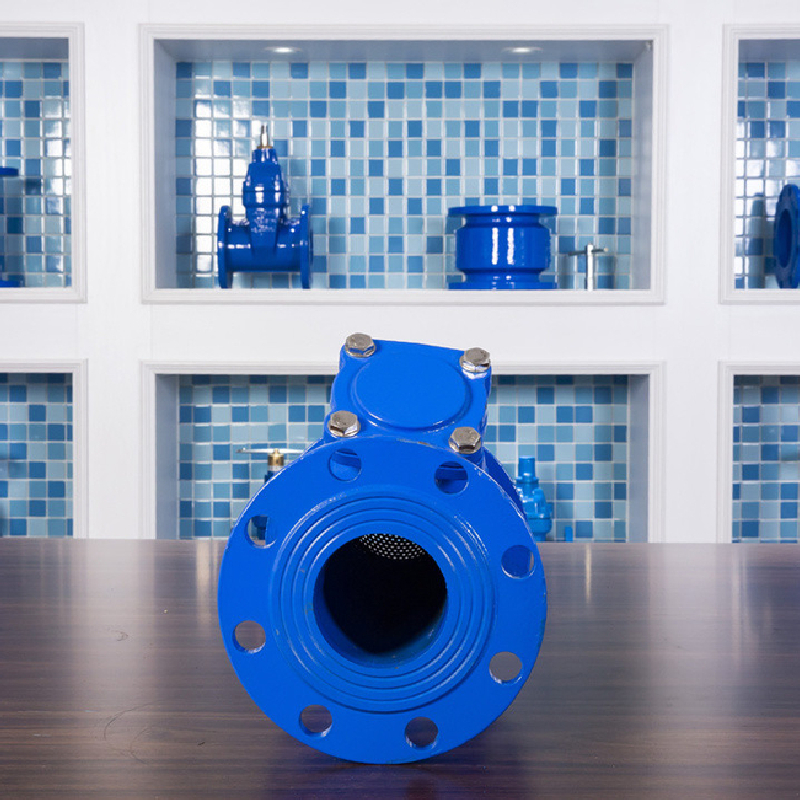
Versatile mushroom-shaped rebar cap with multiple functions
The Multi-Function Mushroom Rebar Cap Revolutionizing Construction Efficiency In the dynamic world

Using a Spirit Level for Accurate Measurements and Leveling Techniques
Understanding Spirit Level Measurements A Guide to Precision in Construction and Crafting In constru
 English